How to design a festival campaign that sells out
What eight ticket phases taught me about festival branding — one visual world, a clear release rhythm and design that moves tickets. Lessons from Sonara V in Marrakech.
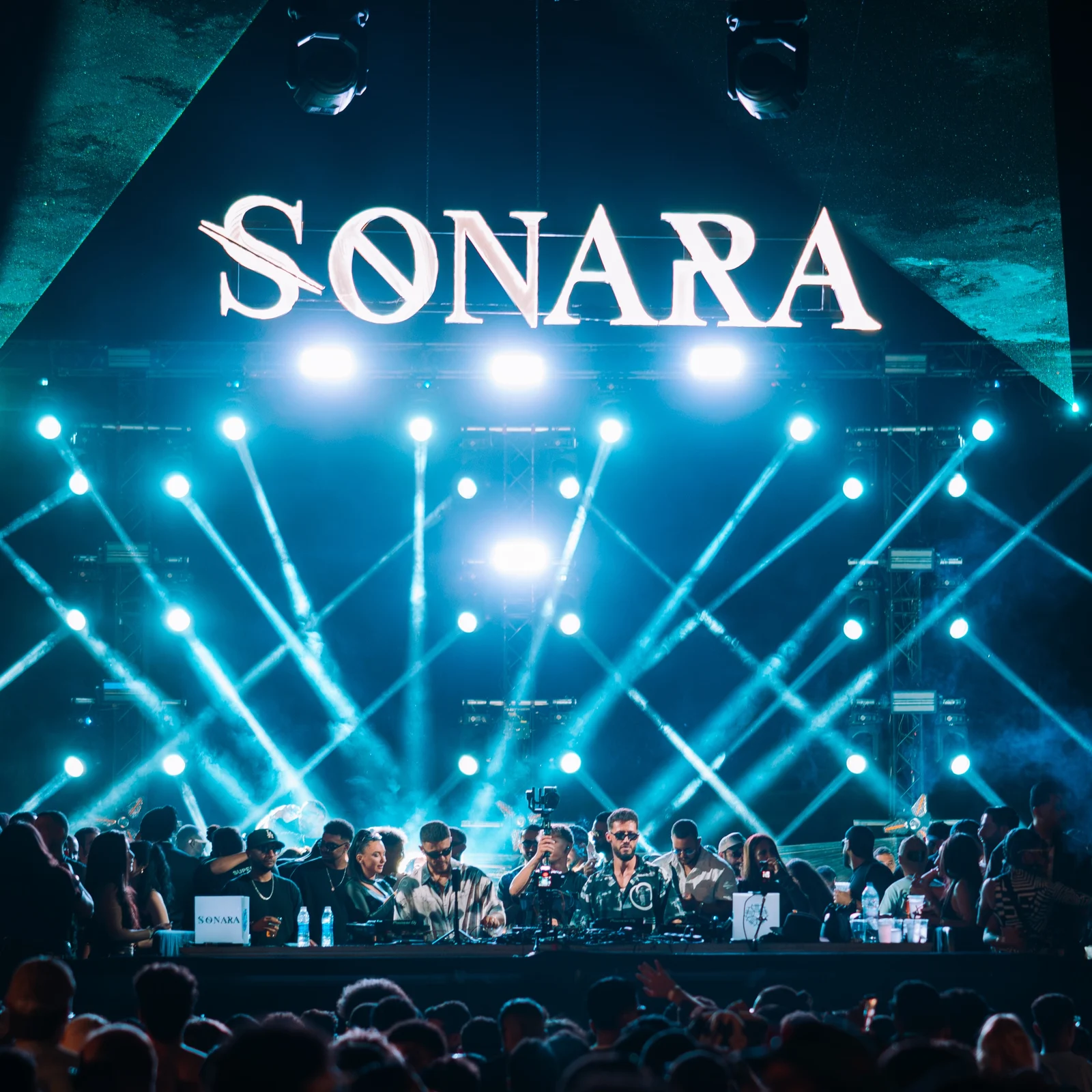
A festival poster used to be a single moment. In 2026 a festival campaign is a season: line-up teasers, artist reveals, ticket drops, price changes, venue reveals and a countdown, all landing in the same feed within a few weeks. Most festivals don't fail on design quality. They fail because every post looks like a different event.
Here is how I approach it, using Sonara V, the September edition of Sonara Festival in Marrakech, as the example.
1. Build a world, not a poster
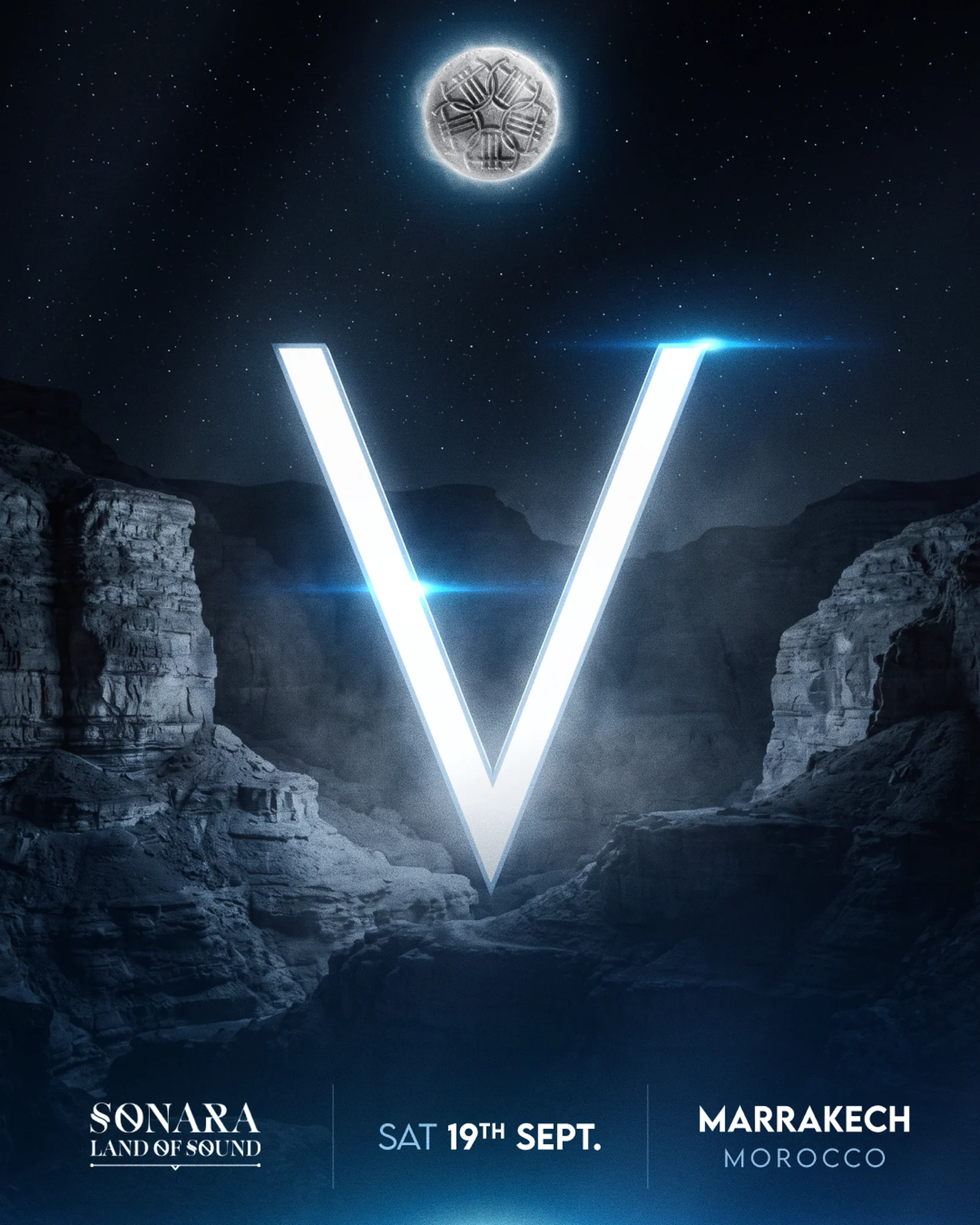
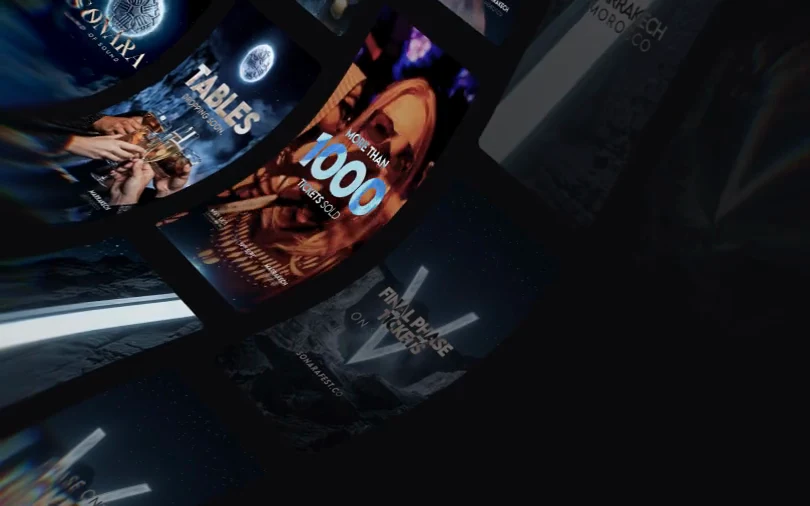
Before any announcement, Sonara V got a setting: a luminous V, a moon-like emblem and rocky landscapes under cool blue light. Every later piece lives inside that world, so a story about an early-bird price reads as Sonara before anyone sees the logo.
The test I use is simple: cover the wordmark. If the post still belongs to the festival, the world is doing its job.
2. Design the ticket phases as a rhythm
Sonara V ran eight ticket phases: Loyalty, Blind Pass, Early Bird, four main phases and Final. Each one is a reason to post, and each one needs urgency without shouting.
What worked:
- One template family per message type. Reveals, price changes and countdowns each have their own layout, so the audience learns what they are looking at in half a second.
- The emblem carries the urgency. Instead of red banners, the illuminated circular emblem and portal frames change with the phase.
- Information first, art second. Dates, phase names and prices sit in fixed positions, so the art direction can stay ambitious.
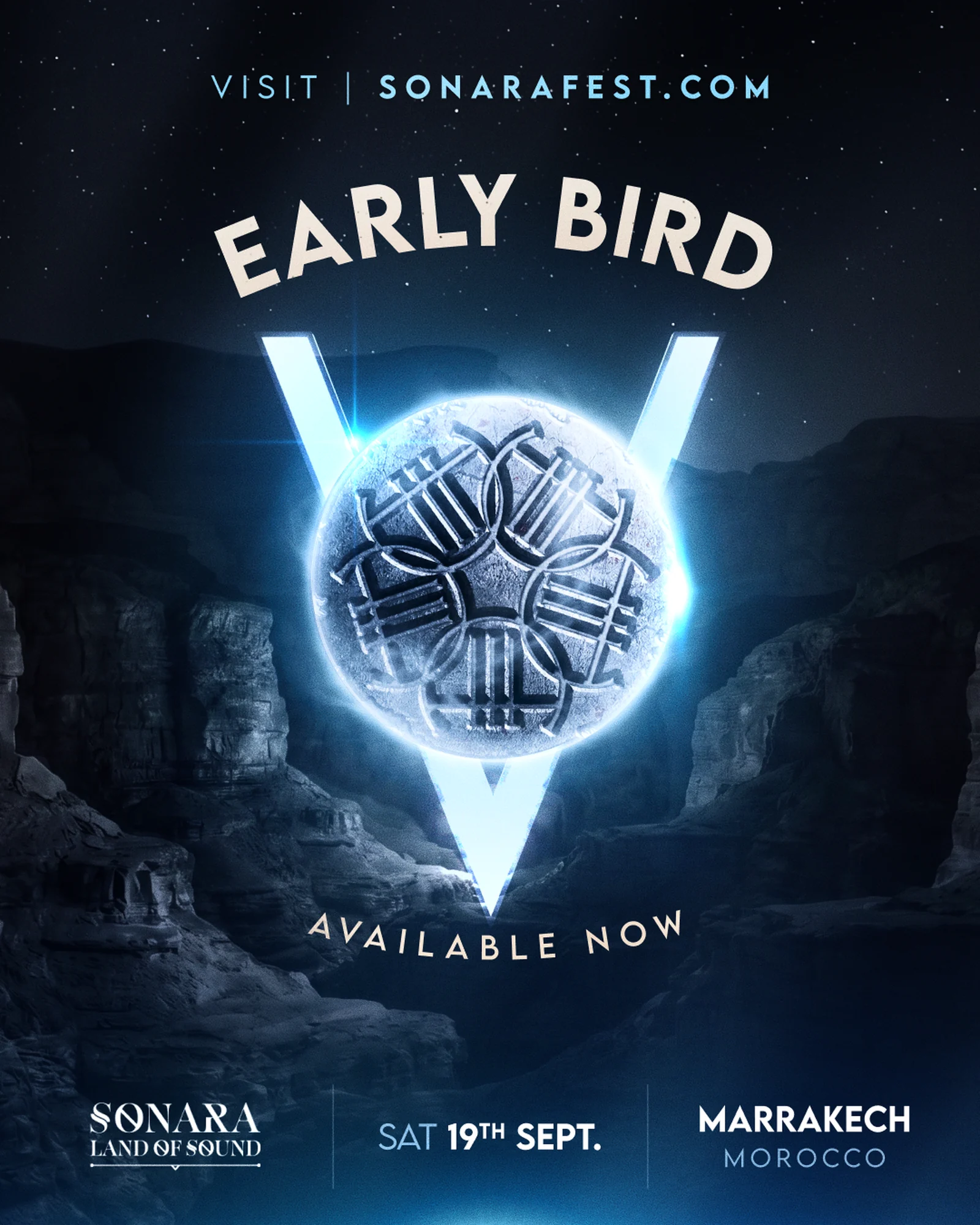
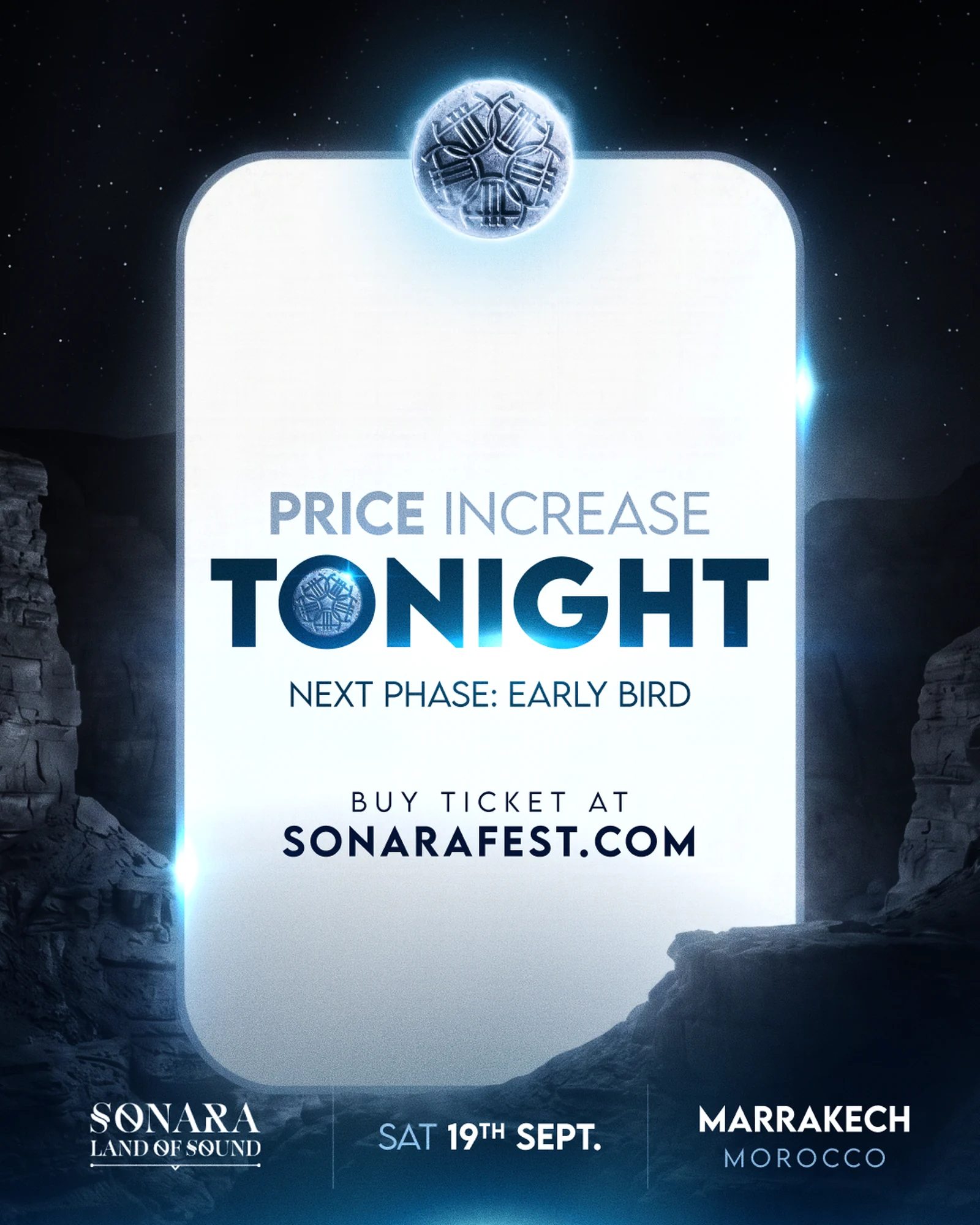
The edition sold 1.5K+ tickets across the phased release, with the festival's Instagram audience at 31.9K. The marketing team's summary of the process is the best brief I could hope for:
"We threw eight ticket phases, last-minute line-up changes and a sold-out countdown at Muad. Every single post still looked like Sonara. That's rare."
3. Plan for line-up changes
Line-ups move. Artists confirm late, swap slots or drop out. If your system depends on one hero image of one headliner, every change breaks it.
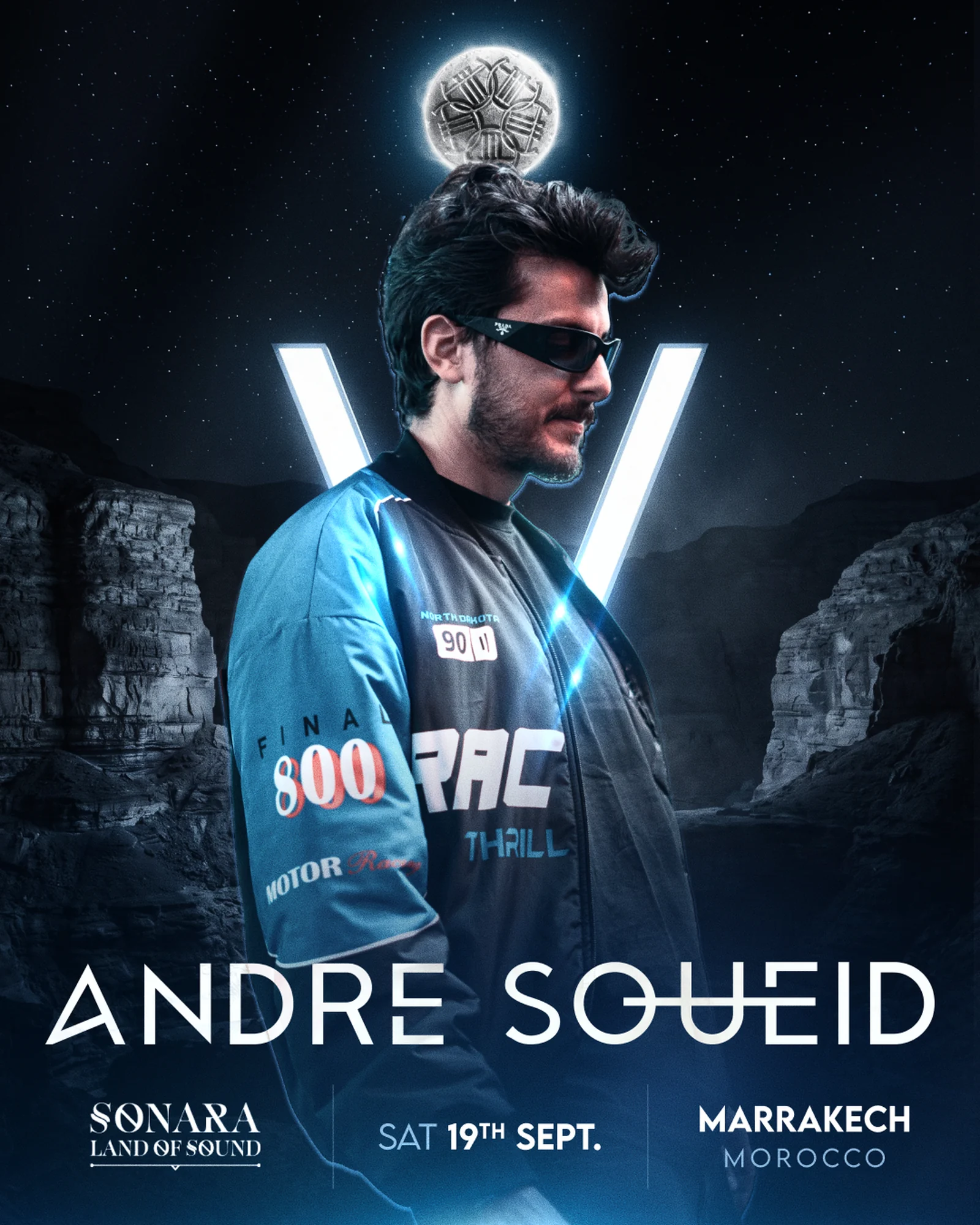
For Sonara V, each artist (Colyn, André Soueid, RBOR) got the same treatment: a figure in the same stone-and-light world, a name in the same type, a reveal in the same sequence. Swapping a name became a production task, not a redesign.

4. Carry the key visual onto the stage
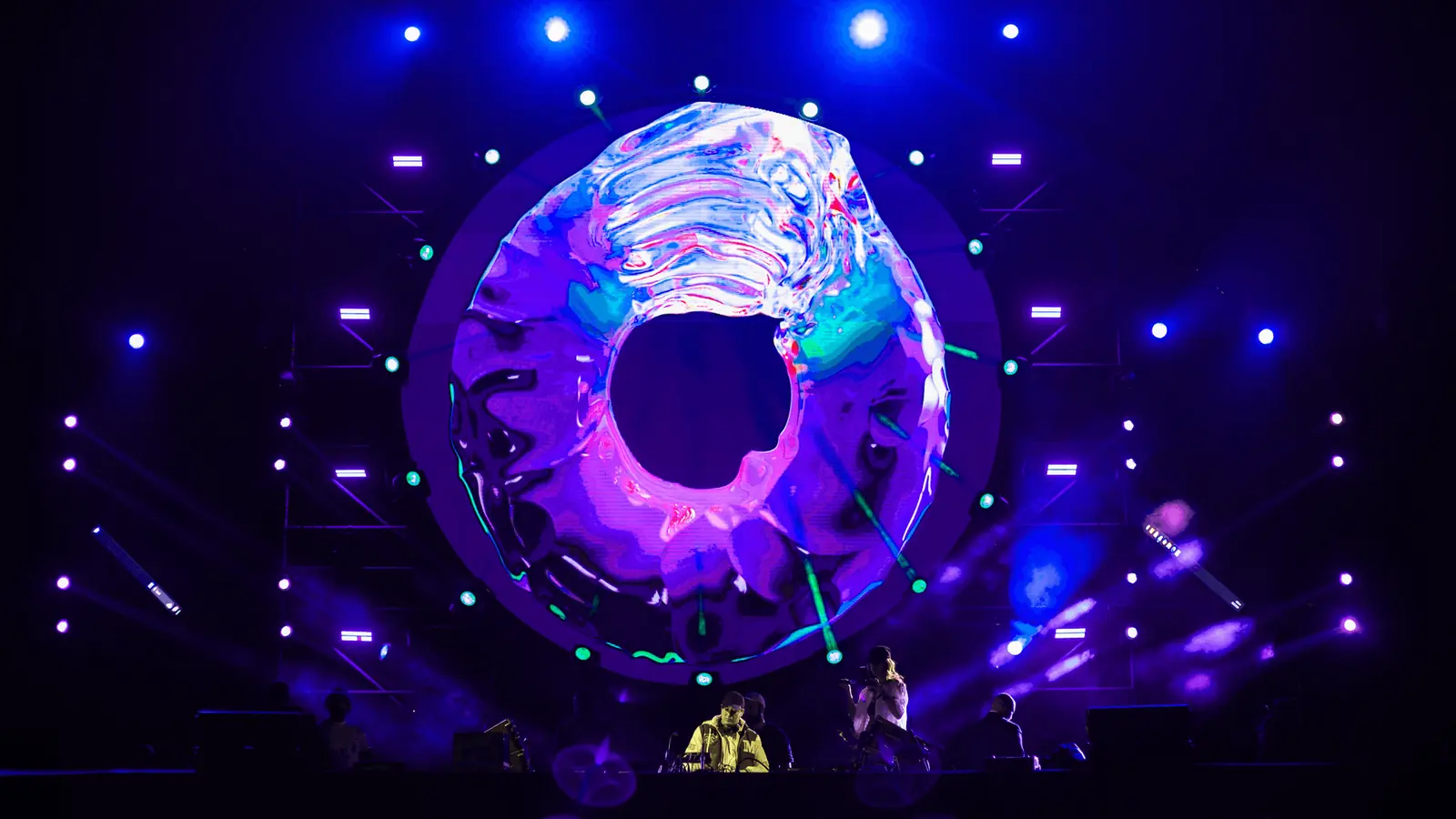
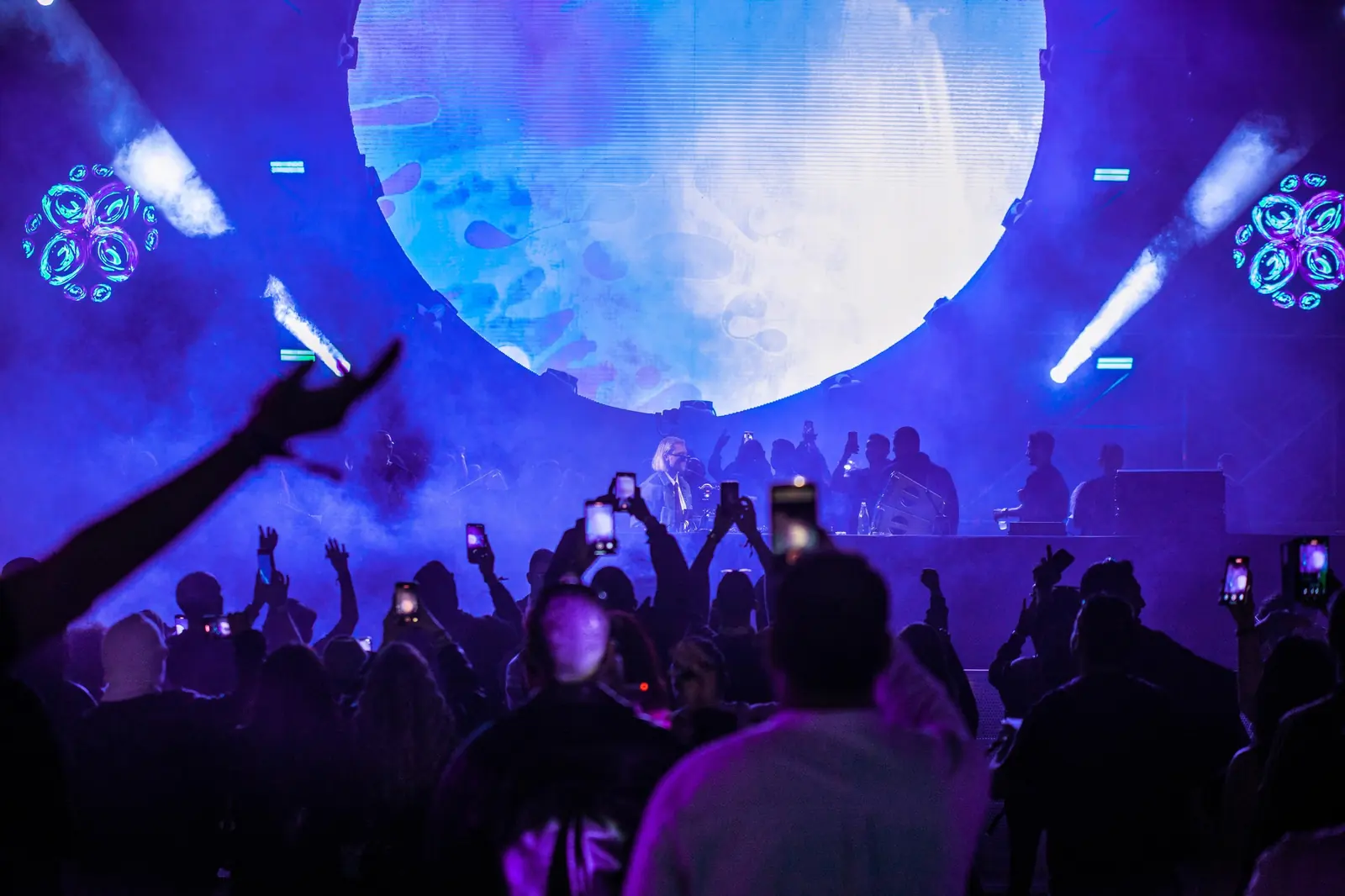
The strongest campaigns end where the audience is standing. For Awake Fest, a two-night electronic festival in Marrakech, the iridescent 3D ring started as the key visual and ended up as the centrepiece of the stage. The identity stopped being something people scrolled past and became the place they danced in. Awake reported 5K+ attendees and 3M+ impressions.
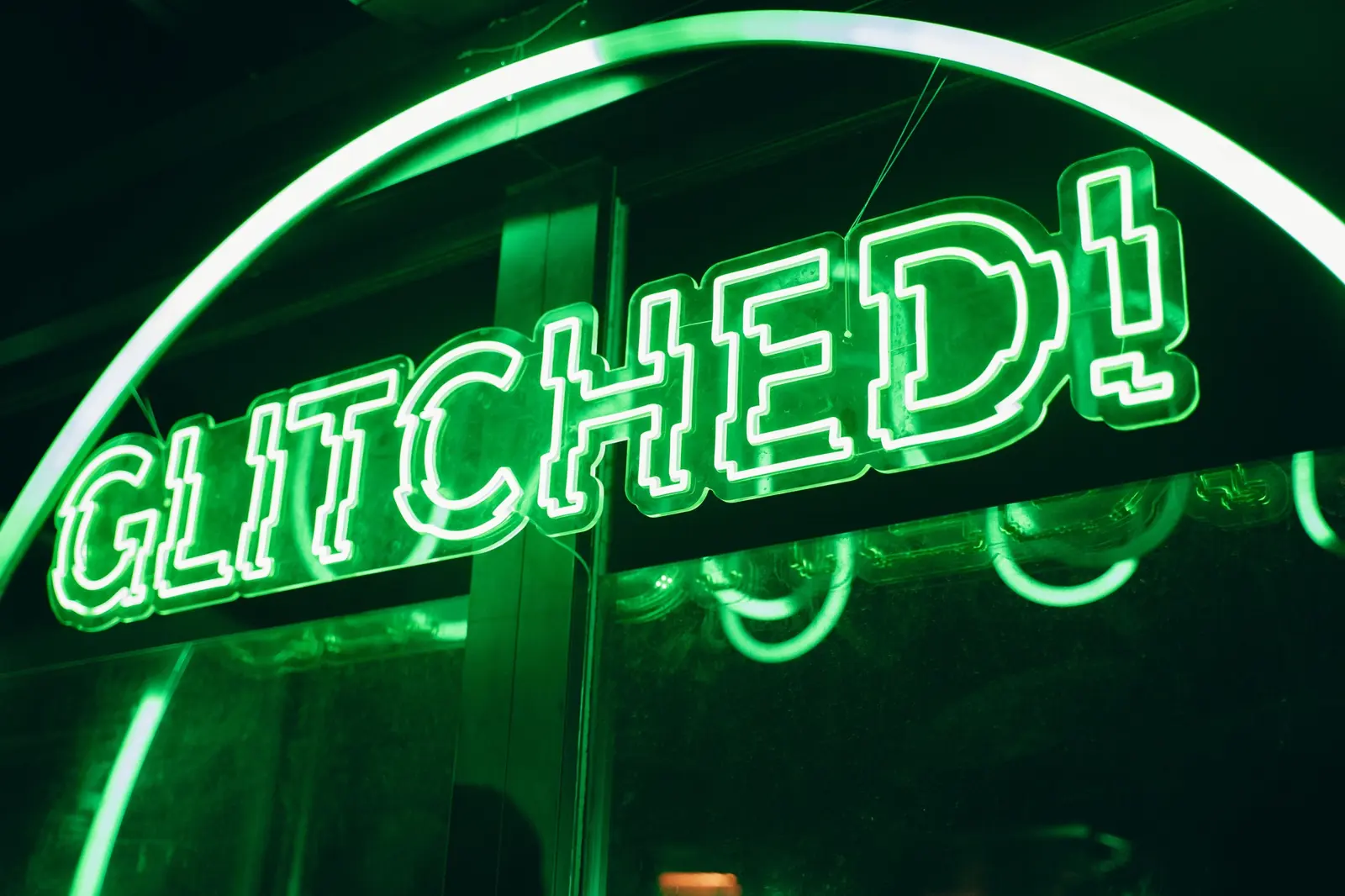
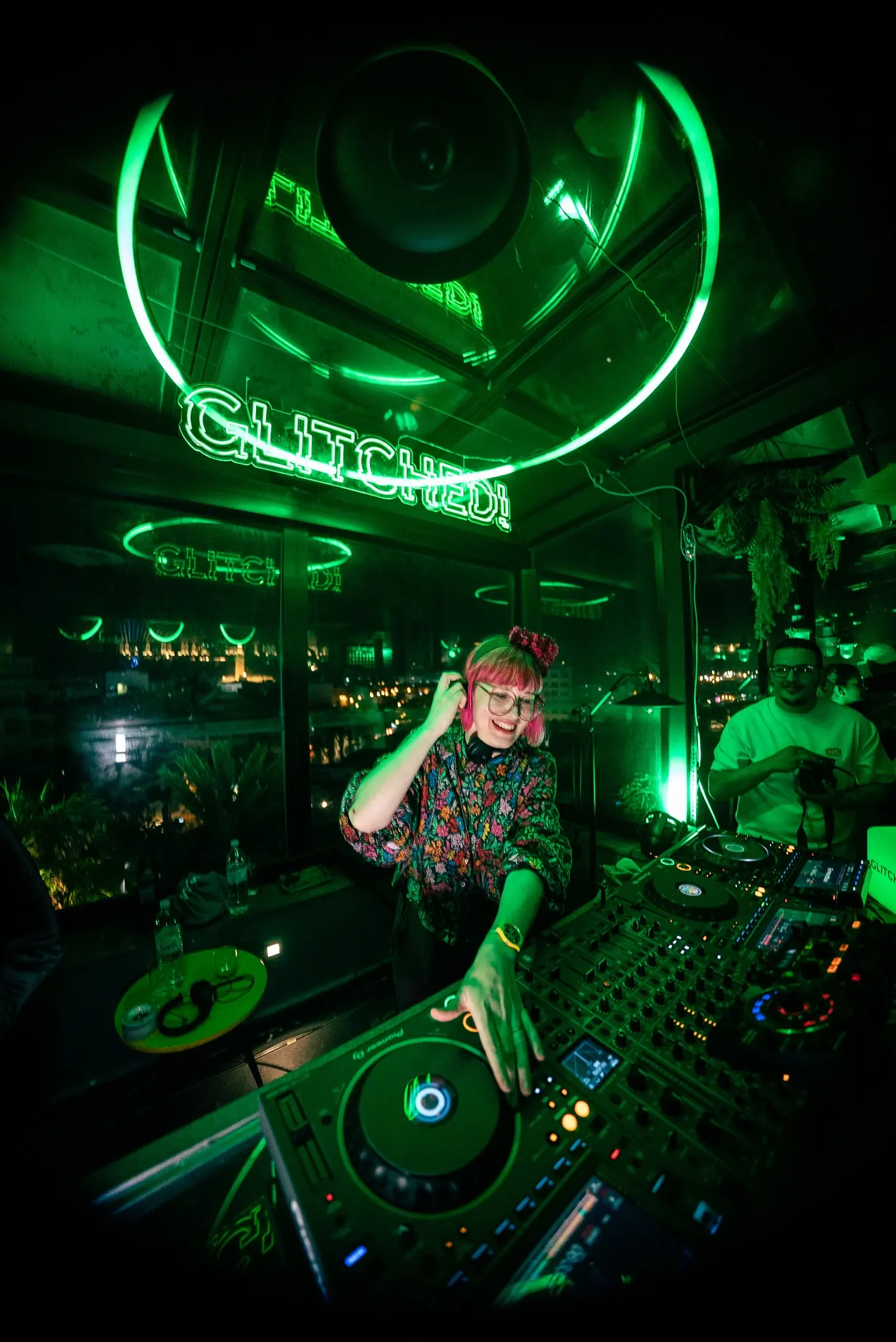
At Glitched, the neon sign did the same job across editions in different cities: one recognisable object that people photograph, which means your audience makes the next post for you.
5. A checklist for your next festival
- Write one sentence for the world before designing a single post.
- Map every ticket phase and announcement on a calendar, then design templates for each type.
- Fix where information lives; let the art move around it.
- Give every artist the same treatment so the line-up can change.
- Decide which visual goes on stage, and design the campaign towards it.
If you're planning a festival or a series of events and want a campaign that holds together from the first teaser to the last ticket, tell me about it.
Work in this article
Planning a brand, a campaign or an event?
More from the journal
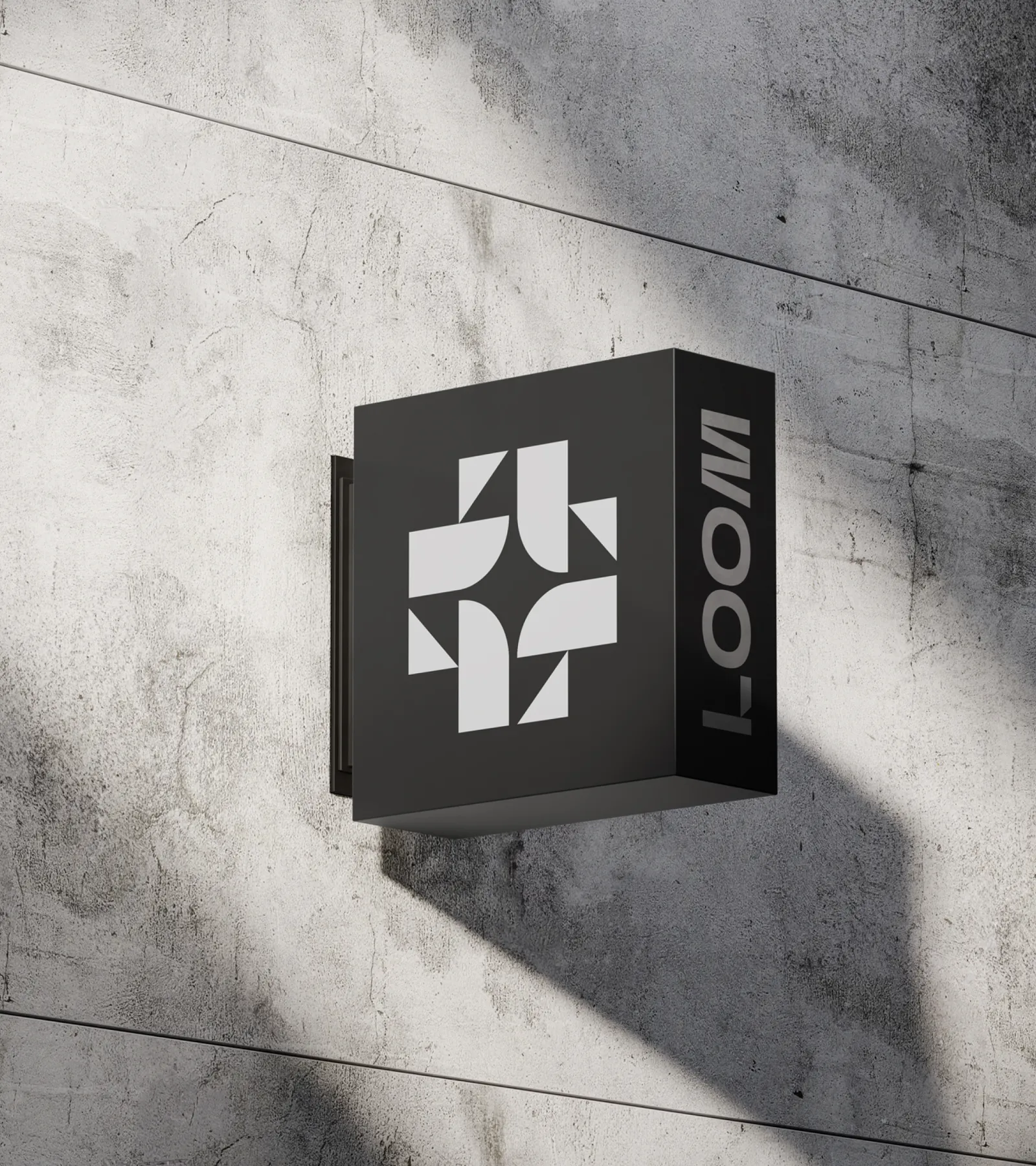
Event branding in 2026: one identity from the feed to the venue
Why event identities now have to work at every size, from a 1080px post to a staff pass. How the LOOM launch reached 141K views in 30 days, mostly from people not yet following.
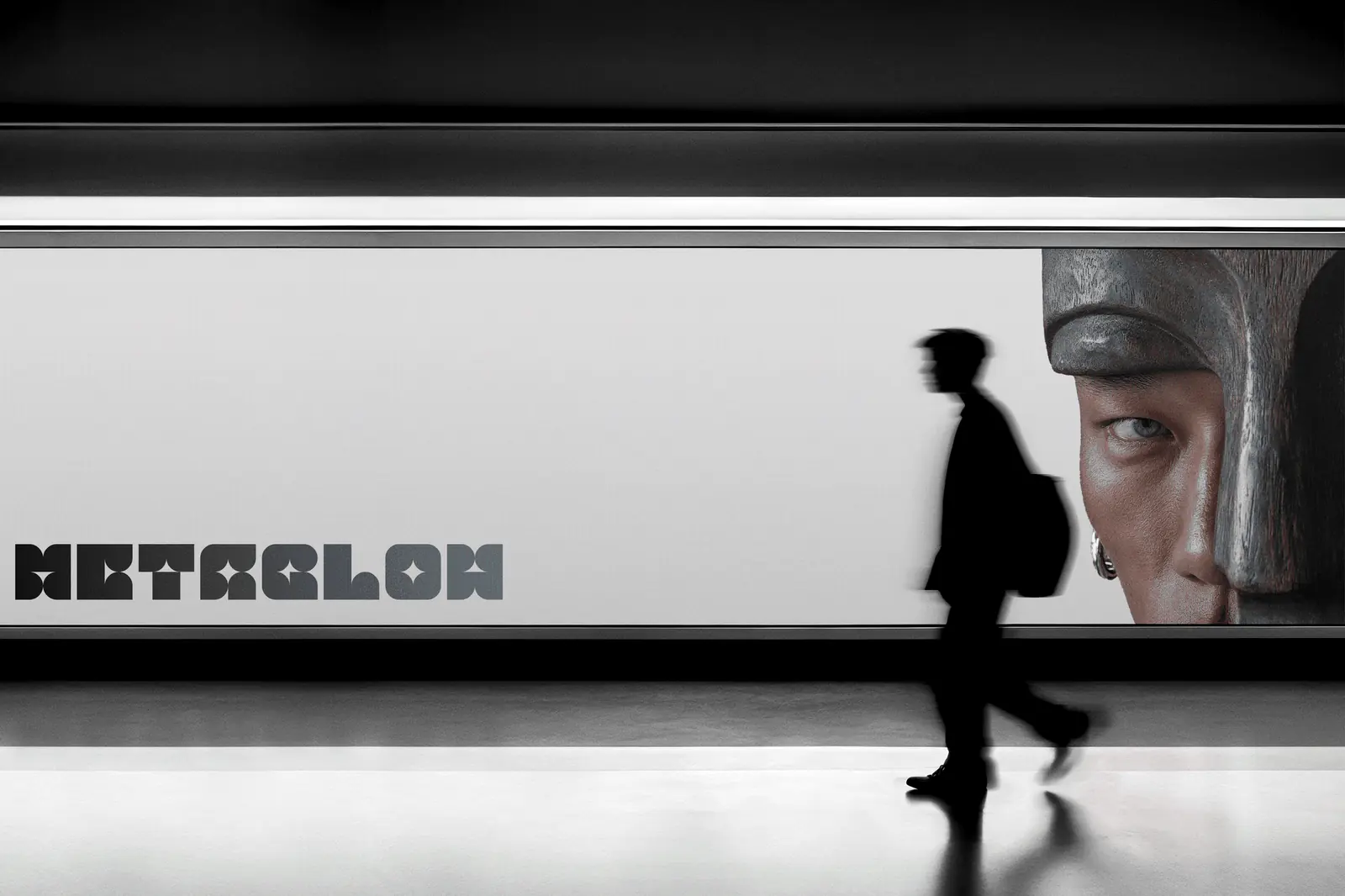
AI in brand identity: what changes for designers in 2026, and what doesn't
Generative tools now sit in every designer's workflow. Where AI genuinely helps brand identity work, where it doesn't, and why "AI is not magic" became a brand idea.